Call Us Today! (301) 829-4646

Client Info

Paar Melis Blog.

Home > Blog > Hiring a Great Technician Is Only Half the Battle

Hiring a Great Technician Is Only Half the Battle

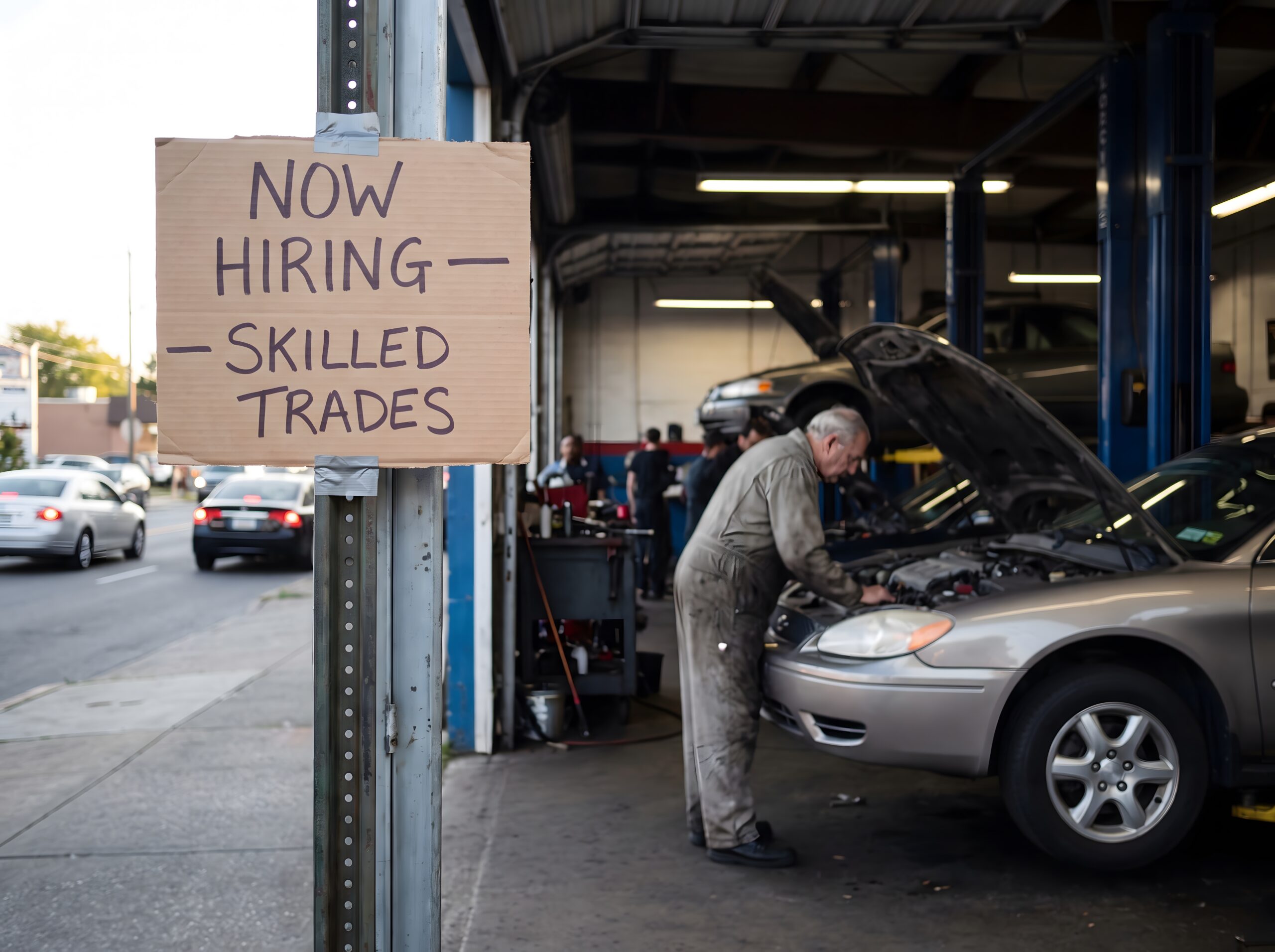
Finding technicians is tough. Keeping them may be even tougher.

About 70% of people who take their first job in the automotive industry leave within a year and don’t return to the trade. That’s a big problem for an industry already struggling to find enough skilled people.

But recruiting isn’t only about how many technicians are available.

Shop owners also need to look at what candidates see when they consider the job. Pay matters, but so do benefits, stability, opportunity, culture, and what working at your shop will actually look like every day.

Candidates Are Evaluating More Than Pay

It’s easy to assume that a bigger paycheck will solve a hiring problem.

Sometimes it helps. But technicians are looking at the entire offer, especially experienced candidates who have options.

Benefits can make a major difference. Health insurance, paid time off, retirement plans, schedules, and other benefits aren’t extras when a candidate is comparing opportunities. They may also be discussing the offer with a spouse or family member who cares just as much about stability as the hourly rate.

If your compensation is competitive but candidates still keep saying no, it may be time to look beyond the number on the paycheck.

Flat Rate Isn’t the Only Option

Flat rate has been part of the automotive industry for a long time, but that doesn’t mean every technician wants it.

For some candidates, the uncertainty that comes with flat rate can make another opportunity more attractive, even if the earning potential is technically lower.

That’s one reason hybrid compensation models are getting more attention. A combination of guaranteed income and performance incentives can give technicians some stability while still rewarding productivity.

The right structure will depend on the shop, but the bigger lesson is to understand what the people you’re trying to hire actually value instead of assuming everyone is motivated by the same thing.

Business by the Numbers

Why 70% of New Technicians Quit Within a Year ​

70% of new technicians leave the industry within their first year. Learn what candidates really look for in pay, benefits, culture, and career growth, and what shops can do to attract and keep the right people. LISTEN HERE:

You Can’t Always Hire an A-Tech

Every shop wants an experienced technician who can walk in Monday morning and immediately start producing.

There just aren’t enough of them.

If every shop is competing for the same small group of highly experienced technicians, somebody has to develop the next generation.

That means hiring people with potential, training them, creating a path for advancement, and giving them reasons to stay in the industry. It also means thinking about recruiting before you’re desperate to fill an empty bay.

Building relationships with future candidates and developing your existing team can create a stronger bench long before you actually need someone.

Your Current Team Is Part of Your Recruiting Strategy

Candidates can learn a lot about your shop before they ever accept an offer.

They’ll notice how your employees talk about the business, how long people stay, how the shop operates, and how management treats the team.

Your current employees can become some of your strongest recruiting tools.

If your best technician wouldn’t recommend working for you, a better job posting probably isn’t going to fix the problem.

Recruiting starts long before the interview. Competitive pay gets attention, but the environment you’ve built is what gives good people a reason to say yes and, more importantly, a reason to stay.

Hunt Demarest

ABOUT THE AUTHOR – Hunt Demarest, CPA, is a Partner at Paar Melis & Associates and a leading financial expert in the auto repair industry. As host of the Business by the Numbers podcast and a published author of Beyond the Bays, he educates auto shop owners on how to improve profitability and cash flow through proactive tax planning and practical financial insights.

Hiring a Great Technician Is Only Half the Battle

Finding technicians is tough. Keeping them may be even tougher.

About 70% of people who take their first job in the automotive industry leave within a year and don’t return to the trade. That’s a big problem for an industry already struggling to find enough skilled people.

But recruiting isn’t only about how many technicians are available.

Shop owners also need to look at what candidates see when they consider the job. Pay matters, but so do benefits, stability, opportunity, culture, and what working at your shop will actually look like every day.

Candidates Are Evaluating More Than Pay

It’s easy to assume that a bigger paycheck will solve a hiring problem.

Sometimes it helps. But technicians are looking at the entire offer, especially experienced candidates who have options.

Benefits can make a major difference. Health insurance, paid time off, retirement plans, schedules, and other benefits aren’t extras when a candidate is comparing opportunities. They may also be discussing the offer with a spouse or family member who cares just as much about stability as the hourly rate.

If your compensation is competitive but candidates still keep saying no, it may be time to look beyond the number on the paycheck.

Flat Rate Isn’t the Only Option

Flat rate has been part of the automotive industry for a long time, but that doesn’t mean every technician wants it.

For some candidates, the uncertainty that comes with flat rate can make another opportunity more attractive, even if the earning potential is technically lower.

That’s one reason hybrid compensation models are getting more attention. A combination of guaranteed income and performance incentives can give technicians some stability while still rewarding productivity.

The right structure will depend on the shop, but the bigger lesson is to understand what the people you’re trying to hire actually value instead of assuming everyone is motivated by the same thing.

Business by the Numbers

Why 70% of New Technicians Quit Within a Year ​

70% of new technicians leave the industry within their first year. Learn what candidates really look for in pay, benefits, culture, and career growth, and what shops can do to attract and keep the right people. LISTEN HERE:

You Can’t Always Hire an A-Tech

Every shop wants an experienced technician who can walk in Monday morning and immediately start producing.

There just aren’t enough of them.

If every shop is competing for the same small group of highly experienced technicians, somebody has to develop the next generation.

That means hiring people with potential, training them, creating a path for advancement, and giving them reasons to stay in the industry. It also means thinking about recruiting before you’re desperate to fill an empty bay.

Building relationships with future candidates and developing your existing team can create a stronger bench long before you actually need someone.

Your Current Team Is Part of Your Recruiting Strategy

Candidates can learn a lot about your shop before they ever accept an offer.

They’ll notice how your employees talk about the business, how long people stay, how the shop operates, and how management treats the team.

Your current employees can become some of your strongest recruiting tools.

If your best technician wouldn’t recommend working for you, a better job posting probably isn’t going to fix the problem.

Recruiting starts long before the interview. Competitive pay gets attention, but the environment you’ve built is what gives good people a reason to say yes and, more importantly, a reason to stay.

Hunt Demarest

ABOUT THE AUTHOR – Hunt Demarest, CPA, is a Partner at Paar Melis & Associates and a leading financial expert in the auto repair industry. As host of the Business by the Numbers podcast and a published author of Beyond the Bays, he educates auto shop owners on how to improve profitability and cash flow through proactive tax planning and practical financial insights.